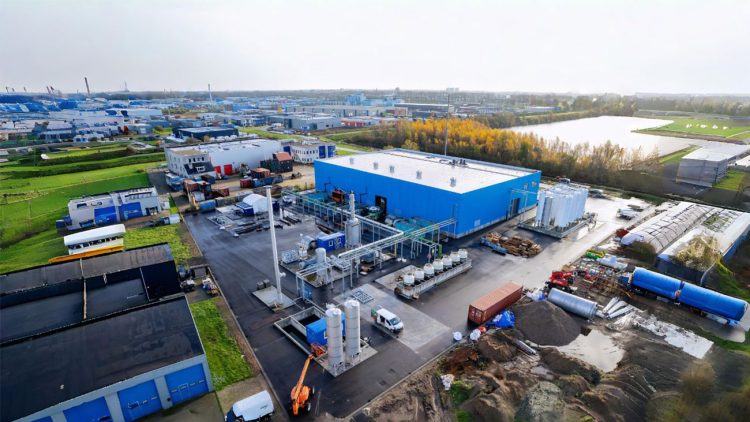
Challenges in Oil Sludge Treatment and How to Use Thermal Desorption Units to Overcome Them
Oil sludge treatment remains a critical challenge in various industries, particularly in the oil and gas sector. The accumulation of oil sludge, often a byproduct of oil drilling, refining, and production processes, poses significant environmental and operational issues. Addressing these challenges efficiently requires advanced technologies that can handle the complex nature of oil sludge. One such solution is the use of a thermal desorption system, which can significantly mitigate the negative impact of untreated oil sludge. This article explores the challenges in oil sludge treatment and how thermal desorption units can offer a reliable and sustainable solution.
The Challenges in Oil Sludge Treatment
1. High Water Content
Oil sludge typically contains a large amount of water, making it challenging to process using conventional treatment methods. The presence of water complicates the extraction of valuable hydrocarbons and other useful materials. If not treated effectively, this can lead to significant environmental contamination.
2. Hazardous Chemicals and Heavy Metals
Oil sludge is often contaminated with hazardous chemicals, heavy metals, and toxic compounds. These pollutants pose severe risks to human health and the environment, especially when improperly disposed of. The presence of these harmful substances requires advanced treatment methods that can neutralize or remove them.
3. Volume and Storage Issues
The sheer volume of oil sludge produced by industries, coupled with the challenges in storing it safely, further exacerbates the problem. Without a sustainable treatment solution, oil sludge tends to accumulate, leading to storage issues and potential violations of environmental regulations.
4. Cost of Disposal
Disposing of oil sludge through conventional methods, such as landfilling, is not only costly but also environmentally unsustainable. The high cost of transportation and disposal makes it crucial for industries to adopt more efficient and cost-effective treatment technologies.
How a Thermal Desorption Unit Solves These Challenges
A thermal desorption unit (TDU) offers a transformative approach to overcoming the challenges of oil sludge treatment. This technology utilizes heat to separate contaminants from the sludge, effectively addressing the issues associated with high water content, hazardous chemicals, and large volumes of waste. Here’s how a thermal desorption system can help:
1. Efficient Water Removal
An oil sludge pyrolysis plant can evaporate water from the sludge at controlled temperatures, ensuring efficient water separation. This process makes the remaining oil sludge easier to handle and more suitable for further treatment or recovery. By efficiently removing water, it enhances the overall process of oil recovery, reducing the risk of contamination in the final product.
2. Removal of Contaminants
Thermal desorption technology is particularly effective at breaking down complex hydrocarbons and removing heavy metals and toxic chemicals present in oil sludge. The heat used in the thermal desorption unit volatilizes the contaminants, allowing for their safe extraction. This results in cleaner output, reducing the environmental impact of sludge disposal and minimizing the risks to ecosystems and public health.
3. Cost-Effective Waste-to-Energy Solution
The use of a pyrolysis oil plant in conjunction with a thermal desorption system can provide an additional benefit. The plant can convert oil sludge into valuable pyrolysis oil, which can be utilized as a fuel or chemical feedstock. This not only reduces the overall cost of treatment but also creates an energy recovery loop, helping industries move towards more sustainable waste management practices.
4. Fully Automatic Process
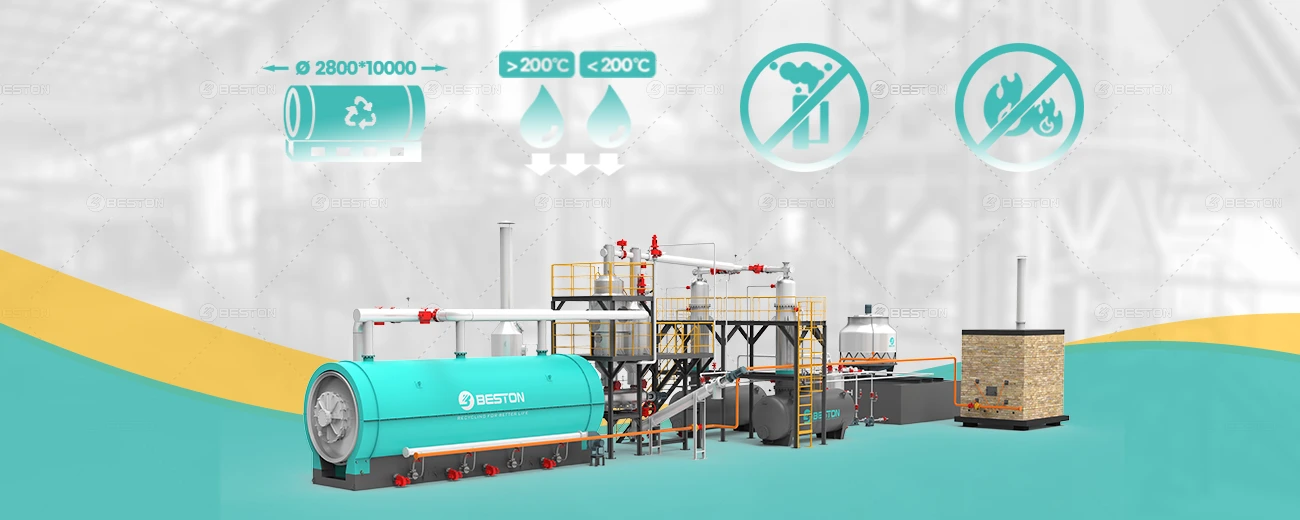
Modern fully automatic pyrolysis plants can seamlessly integrate with thermal desorption systems, ensuring a continuous, reliable, and low-maintenance treatment process. Automation improves operational efficiency by reducing human intervention, minimizing errors, and optimizing energy consumption. This feature is particularly valuable for industries dealing with large volumes of oil sludge, as it ensures that the system can run continuously without significant downtime.
5. Environmental and Regulatory Compliance
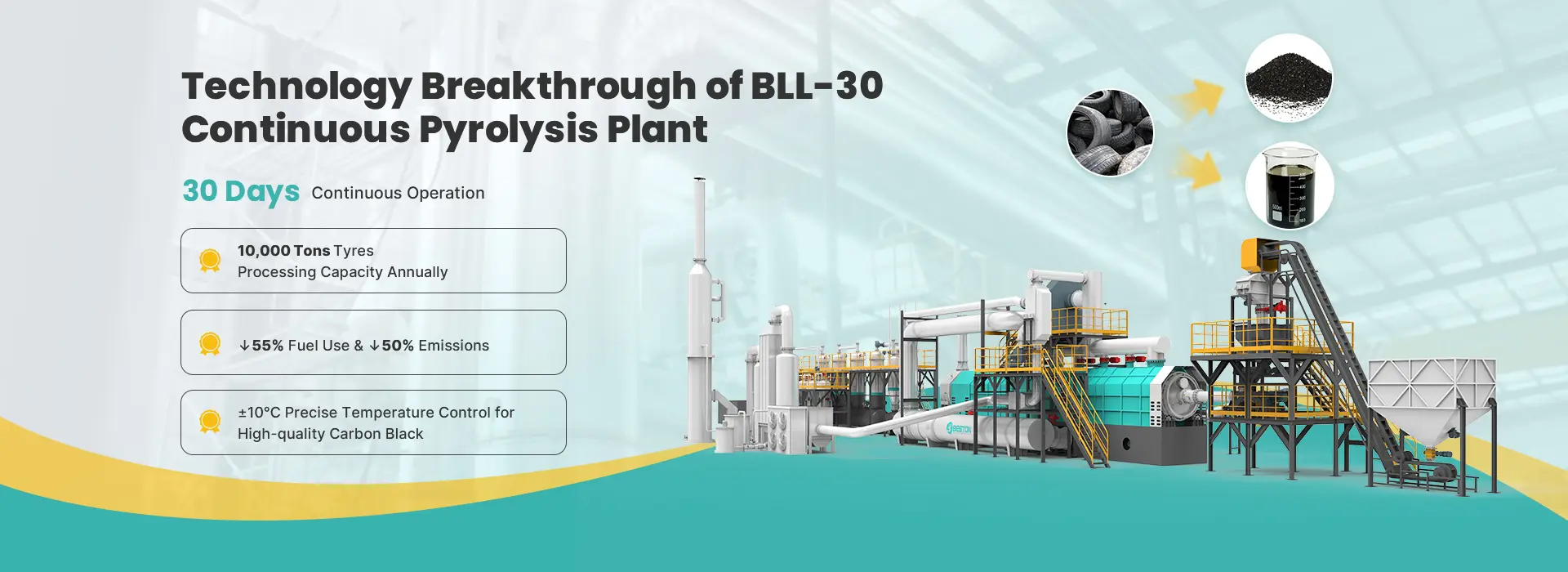
Thermal desorption units comply with strict environmental regulations by providing a cleaner method of treating oil sludge. By converting waste into usable byproducts and minimizing harmful emissions, these systems ensure that industries meet both local and international environmental standards. This not only mitigates the risk of fines and penalties but also enhances the company’s sustainability efforts.
Conclusion
The treatment of oil sludge presents a set of complex challenges that demand innovative solutions. A thermal desorption unit provides an effective answer by addressing issues related to water content, hazardous chemicals, and disposal costs. The integration of this technology with a pyrolysis oil plant or fully automatic pyrolysis plant enhances both the environmental and economic sustainability of oil sludge treatment processes. As industries increasingly focus on reducing their ecological footprint, the adoption of advanced thermal desorption systems is poised to play a pivotal role in creating cleaner, more efficient treatment solutions.