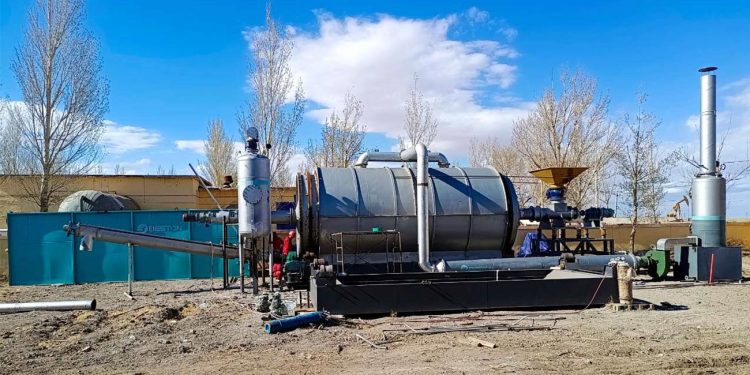
Why Pyrolysis Plant Is Becoming a Key Solution for the Circular Economy
Transforming Waste Streams into Valuable Resources
The global economy is gradually shifting from a linear “take-make-dispose” model toward a circular framework where materials remain in productive use for as long as possible. Within this transition, the pyrolysis plant is emerging as a critical technology because it converts difficult-to-manage waste into reusable resources, reducing dependence on virgin raw materials.
Unlike conventional disposal methods such as landfilling or uncontrolled combustion, pyrolysis operates through thermal decomposition in an oxygen-limited environment. This process breaks down complex waste materials into valuable outputs, including pyrolysis oil, combustible gas, and carbon-rich solid products. The technology represents a resource recovery pathway that aligns with modern sustainability objectives.
Supporting Waste Tire Recycling and Resource Recovery
Waste tires are among the most challenging industrial residues due to their durability, chemical stability, and slow natural degradation. Millions of tons of discarded tires accumulate worldwide every year, creating environmental and economic pressure. A tyre pyrolysis plant for sale provides an effective solution by converting end-of-life tires into useful products instead of allowing them to become long-term waste burdens.
During the pyrolysis process, rubber compounds are thermally cracked into oil, gas, and carbon black. The recovered oil can be further refined for industrial fuel applications, while carbon black can be processed for reuse in manufacturing industries. This closed-loop approach improves material efficiency and supports the fundamental principles of the circular economy.
A modern fully automatic tyre pyrolysis plant further enhances operational efficiency through automated feeding, temperature regulation, discharge systems, and monitoring functions. Automation minimizes manual intervention, improves production stability, and allows continuous optimization of resource utilization.
Creating Economic Value Through Advanced Pyrolysis Technology
The circular economy is not only an environmental concept; it is also an industrial transformation model. Waste materials that were previously considered liabilities can become alternative feedstocks for energy and material production.
A tire to oil machine demonstrates this economic potential by converting waste tires into marketable fuel resources. Instead of spending large amounts on waste transportation and disposal, businesses can establish an integrated recovery system that generates revenue from recycled products.
The commercial advantages of pyrolysis technology include:
- Reduction of waste management expenses.
- Recovery of valuable hydrocarbons from discarded materials.
- Production of alternative energy resources.
- Creation of new business opportunities in recycling industries.
This resource-oriented approach changes waste management from a cost center into a value-generating operation.
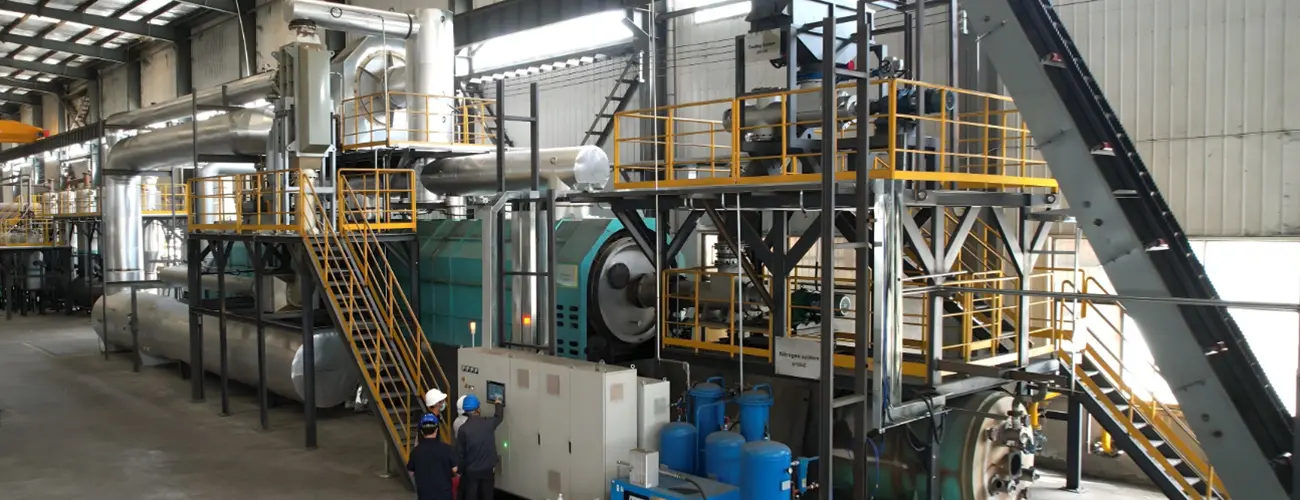
Improving Sustainability with Cleaner Processing
Environmental performance is a major factor driving the adoption of pyrolysis technology. Traditional waste treatment methods often result in material loss or secondary pollution concerns. In contrast, advanced pyrolysis systems are designed with controlled thermal processing and emission management technologies to improve environmental compatibility.
A well-engineered pyrolysis plant integrates systems such as gas recycling, condensation units, and exhaust purification equipment. The non-condensable gas generated during pyrolysis can often be reused as a heating source, improving overall energy efficiency and reducing external fuel consumption.
This energy integration creates a more sustainable operational cycle. Waste becomes feedstock, by-products become energy sources, and recovered materials return to industrial applications.
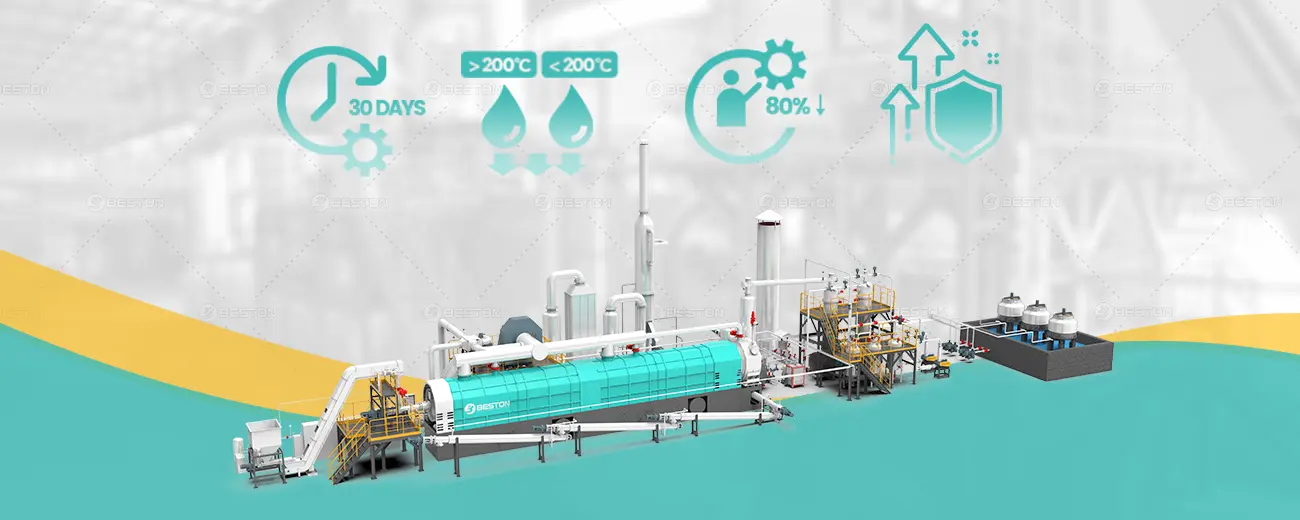
Supporting Global Circular Economy Development
Governments and industries worldwide are strengthening waste reduction policies, carbon management strategies, and resource efficiency initiatives. Under these evolving frameworks, fully automatic tyre pyrolysis plant provides a practical pathway for achieving higher recycling rates and reducing dependence on fossil-based resources.
The flexibility of pyrolysis allows it to process various feedstocks, including waste tires, plastics, biomass residues, and other carbon-containing materials. This versatility makes it suitable for different regional waste management challenges.
Furthermore, the development of automated and scalable systems enables companies to implement circular economy solutions at both small and industrial levels. From decentralized recycling facilities to large commercial operations, pyrolysis technology offers adaptable infrastructure for future resource management.
Conclusion
The circular economy requires innovative technologies that can bridge the gap between waste generation and resource recovery. A pyrolysis plant provides this connection by transforming challenging waste materials into valuable energy and industrial products.
Through advanced thermal conversion, automated operation, and efficient resource utilization, pyrolysis technology is becoming a key component of sustainable waste management strategies. As industries continue to prioritize environmental responsibility and resource conservation, pyrolysis will play an increasingly important role in building a more resilient and circular industrial ecosystem.